تحقيق قانوني ودبلوماسي حول نقل نظام FB 10-A الصيني المضاد للطائرات من تشاد إلى السودان بقلم : د. النذير إبراهيم محمد أبوسيل المستشار القانوني الدولي
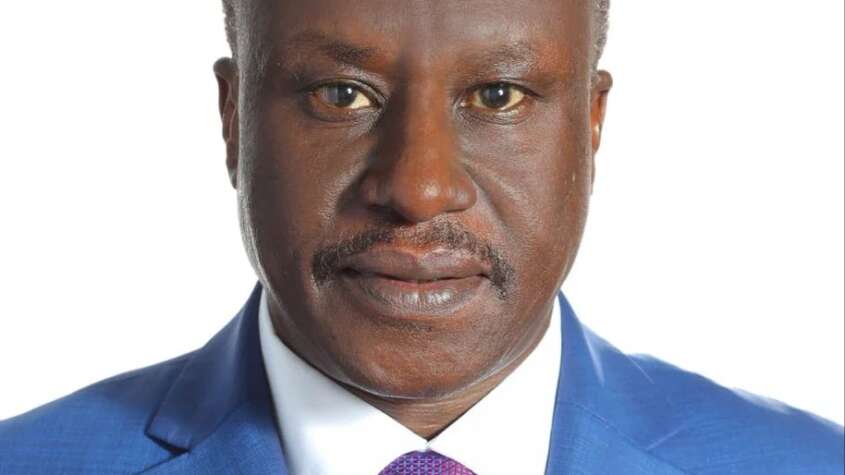
بصفتي مستشارًا قانونيًا دولياً في تسوية المنازعات الدولية ، أود أن أعرض تحليلًا قانونيًا ودبلوماسيًا حول الأحداث الأخيرة المتعلقة بنظام FB 10-A المضاد للطائرات، الذي تم شراؤه من قبل القوات الجوية التشادية في فبراير 2025، والذي انتهى به المطاف في السودان في انتهاك واضح للمعايير والمواثيق الدولية.
1. الأطر القانونية الدولية:
وفقًا لقانون تجارة الأسلحة التقليدية الصادر عن الأمم المتحدة (Arms Trade Treaty – ATT) والمعاهدات الدولية ذات الصلة، يشترط على الدول الالتزام بالرقابة على الأسلحة الثقيلة ومنع تحويلها إلى أطراف ثالثة دون إذن مسبق. ويشكل نقل هذا النظام الصيني المضاد للطائرات من تشاد إلى السودان خرقًا صريحًا لقرارات مجلس الأمن ذات الصلة بحظر الأسلحة على السودان.
2. المسؤولية القانونية للدولة والأفراد:
تظهر الوثائق الرسمية أن الفريق أول أمين إدريس والفريق أول غودجي جيله حمشي (المعروف أيضًا باسم حسين جيله حمشي) لعبا دورًا محوريًا في تسهيل هذه العملية، باستخدام جوازات سفر دبلوماسية وتوقيعات رسمية. وفقًا للقوانين الدولية، هذا قد يضع المسؤولية الجنائية والأخلاقية على الأفراد المنفذين وعلى الدولة نفسها، خصوصًا إذا ثبت وجود تواطؤ دولي أو تحويل أموال خارج القنوات القانونية.
3. التمويل والاتفاقيات الدولية:
تفيد المعلومات بأن التمويل تم عبر أموال إماراتية ضمن اتفاق ثلاثي يشمل دبي وبكين ونجامينا. هذا النوع من التمويل الموجه لتجاوز القيود الدولية يشكل خرقًا للمواثيق المالية الدولية لمكافحة تمويل الإرهاب وغسيل الأموال، ويعرض الأطراف المتورطة للمساءلة القانونية الدولية.
4. الأبعاد السياسية والدبلوماسية:
تحويل الدولة إلى قناة لتجارة الأسلحة بطريقة غير قانونية يضر بصورة تشاد الدولية ويضعها ضمن قائمة الدول المارقة التي يمكن أن تؤجج النزاعات الإقليمية لمصالح ضيقة. ويعد هذا أيضًا انتهاكًا للأعراف الدبلوماسية التي تلزم الدول بعدم استخدام ممتلكاتها العسكرية لتقويض استقرار جيرانها أو إمداد أطراف مسلحة بشكل غير مشروع.
5. التوصيات القانونية والدبلوماسية:
• مطالبة مجلس الأمن الدولي بالتحقيق في الانتهاكات المتعلقة بنقل نظام FB 10-A.
• تفعيل الإجراءات القانونية الدولية ضد الأفراد المسؤولين، بما في ذلك المساءلة الجنائية أمام المحكمة الجنائية الدولية إن اقتضى الأمر.
• فرض تدابير رقابية صارمة على تحويلات الأسلحة والتمويل المرتبط بها، لضمان عدم تكرار هذه الانتهاكات.
• تعزيز التعاون مع الجهات الدولية لمنع تحويل الأسلحة إلى مناطق نزاع، والالتزام الكامل بالمعاهدات الدولية والاتفاقيات الثنائية.
الخلاصة:
تثبت هذه القضية أن تواطؤ بعض المسؤولين في تشاد أدى إلى انتهاك صارخ للمعاهدات الدولية والأعراف الدبلوماسية، وعرّض الأمن الإقليمي للخطر. القانون الدولي يوفر الأدوات الكافية لمحاسبة كل الأطراف المتورطة، سواء على مستوى الأفراد أو الدولة، بما يضمن حماية حقوق الإنسان ومنع تفاقم النزاعات المسلحة.
المصدر: مراسلات خاصة وتحقيقات لموقع TchadOne في نجامينا، مدعومة بوثائق رسمية سرية وبيانات الأمم المتحدة.
📂 Legal and Diplomatic Investigation into the Transfer of the Chinese FB 10-A Air Defense System from Chad to Sudan
By: Dr. Alnzeir Ibrahim Mohamed Abusail, International Legal Counsel
📁🖋️ As an International Legal Counsel specializing in the settlement of international disputes, I would like to present a legal and diplomatic analysis regarding the recent events surrounding the FB 10-A air defense system, which was purchased by the Chadian Air Force in February 2025, and which ultimately ended up in Sudan in clear violation of international standards and conventions.
1. International Legal Frameworks:
According to the United Nations Arms Trade Treaty (ATT) and other relevant international agreements, states are required to exercise strict control over heavy weapons and prevent their transfer to third parties without prior authorization. The transfer of this Chinese FB 10-A air defense system from Chad to Sudan constitutes a blatant violation of the relevant UN Security Council resolutions on the arms embargo on Sudan.
2. State and Individual Legal Responsibility:
Official documents reveal that General Amine Idriss, Chief of Staff of the Chadian Air Force, and General Goudji Gileh Hamchi (also known as Hussein Gileh Hamchi), played a central role in facilitating this operation by using diplomatic passports and official signatures. Under international law, this may place criminal and ethical responsibility on the individuals involved as well as on the state itself, particularly if evidence of international collusion or the diversion of funds through unlawful channels is established.
3. Financing and International Agreements:
Information indicates that the financing was provided through Emirati funds as part of a trilateral arrangement involving Dubai, Beijing, and N’Djamena. Such financing schemes, aimed at bypassing international restrictions, constitute a breach of international financial conventions on counter-terrorism financing and anti–money laundering, exposing the parties involved to international legal accountability.
4. Political and Diplomatic Dimensions:
Transforming the state into a conduit for illicit arms trafficking gravely damages Chad’s international image and places it among the ranks of rogue states capable of fueling regional conflicts for narrow financial and political interests. This also represents a violation of diplomatic norms, which obligate states not to use their military assets to destabilize neighboring countries or to illegally supply armed groups.
5. Legal and Diplomatic Recommendations:
• Call upon the United Nations Security Council to investigate the violations related to the transfer of the FB 10-A system.
• Activate international legal proceedings against the responsible individuals, including possible criminal accountability before the International Criminal Court if necessary.
• Impose strict oversight measures on arms transfers and related financing, to prevent the recurrence of such violations.
• Strengthen cooperation with international bodies to prevent the diversion of weapons into conflict zones, and ensure full compliance with international treaties and bilateral agreements.
Conclusion:
This case demonstrates that the complicity of certain Chadian officials has led to a flagrant breach of international treaties and diplomatic norms, thereby endangering regional security. International law provides sufficient mechanisms to hold all parties accountable—whether at the individual or state level—in order to safeguard human rights and prevent the escalation of armed conflicts.
Source: Private correspondence and investigations by TchadOne in N’Djamena, supported by classified official documents and United Nations data.




المقاومة الشعبية بشمال دارفور تعلن الجاهزية لإسناد معركة تحرير الفاشر
أكدت المقاومة الشعبية بولاية شمال دارفور جاهزيتها لإسناد معركة تحرير مدينة الفاشر وكل مدن …